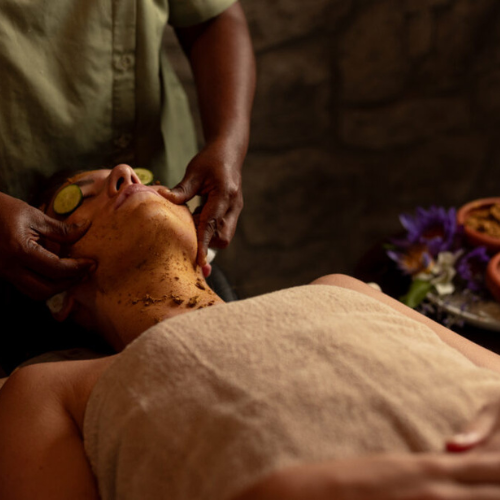
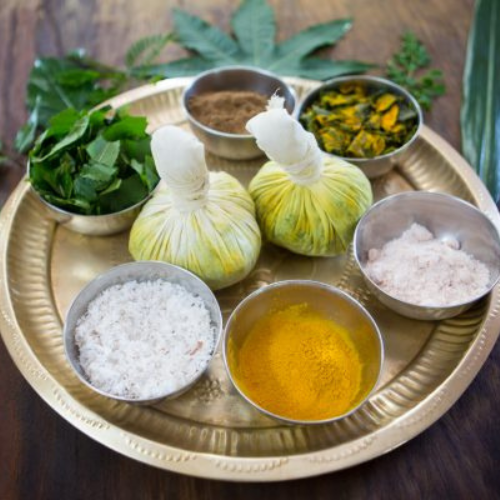
About Us

Discover complete balance and healing with authentic Ayurvedic diagnosis, detox therapies, and holistic care for mind, body, and spirit

About Amrutwel Ayurveda

Heritage Ayurveda Hospital and Research Center

Amrutwel Ayurveda is a traditional heritage Ayurveda hospital situated in the Sawangi Village  Taluka Hingana, District Nagpur. Nestled amidst captivating hills, lush greenery, and tranquil ponds, our center offers a peaceful environment perfect for healing and rejuvenation.We specialize in authentic Ayurvedic treatments backed by a proven track record of success. At Amrutwel, we seamlessly blend expertise, tradition, culture, and time-tested Ayurvedic practices, all in harmony with nature.

Our services emphasize a healthy diet, balanced lifestyle, and Yoga practices to promote overall well-being and productivity. We focus on comprehensive primary healthcare with a strong emphasis on preventive care, encouraging a healthy way of life.

Each treatment at Amrutwel begins only after a thorough assessment of individual doshas and lifestyle factors. Based on this detailed study, our experienced Ayurvedic doctors provide personalized care aimed at reducing imbalances and promoting optimal health. All treatments strictly follow authentic Ayurvedic principles as prescribed in ancient texts.

We offer a holistic approach to health management by integrating traditional Ayurveda, Yoga, and rehabilitation therapies, with equal attention given to both preventive and curative care.

Additionally, Amrutwel provides comfortable residential treatment options, including:

  • Twin-sharing hospital accommodations
     
  • Individual cottages
     
  • Farmland bungalows
     

This ensures a peaceful, supportive environment for full recovery and wellness.

Awards and Achievements

Dr. Komal Kashikar– Founder & CEO, Amrutwel Ayurveda & Research Center

Dr. Komal Kashikar brings over 15 years of extensive experience in the field of Ayurveda, with in-depth expertise in addressing a wide range of health concerns. She is the CEO of Amrutwel Ayurveda & Research Center and a Consultant at Larisha Ayurved Kerala Panchakarma, Power Yoga & Meditation Center.

Dr. Komal strongly believes that medicines alone are not sufficient for complete healing. She emphasizes the power of Panchakarma therapy, which, when combined with personalized treatment, significantly enhances the speed and effectiveness of recovery. Her unwavering commitment and dedication to Ayurveda have been instrumental in making Amrutwel Ayurveda one of the world’s leading centers for Ayurvedic treatment.

In addition to her role at Amrutwel Ayurveda, Dr. Komal serves as the Director of Larisha Healthcare, where she oversees the manufacturing of certified Organic Beauty Products and a wide range of Ayurvedic health solutions.

Awards & Recognitions:

  • Best Young Entrepreneur – 2019
  • Mediqueen Mrs. Maharashtra Determined – 2020
  • Best Panchakarma Center – 2021
  • Honored with Dr. Abdul Kalam Bharat Puraskar – Nov 2021
  • Mediqueen Excellence Award at Raj Bhavan by Governor Mr. Bhagat Singh Koshyari – Dec 2021
  • Awarded as Women of the year – 2022
  • Vidharbha Icon Award for the Year – 2023-24
Dr. Komal Kashikar continues to lead with passion, integrating ancient Ayurvedic traditions with modern healthcare to promote holistic well-being globally.

Services, We are Best at

Ayurveda Treatments

.
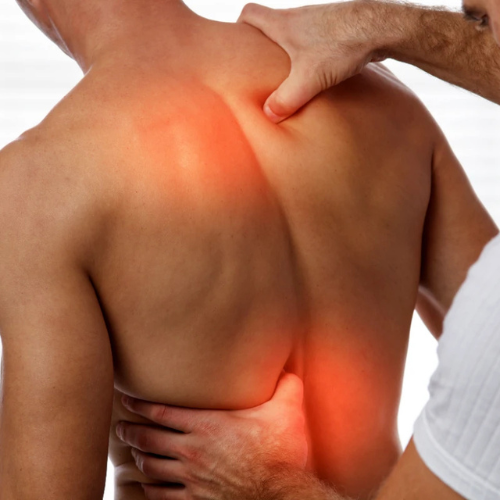
Physiotherapy

.
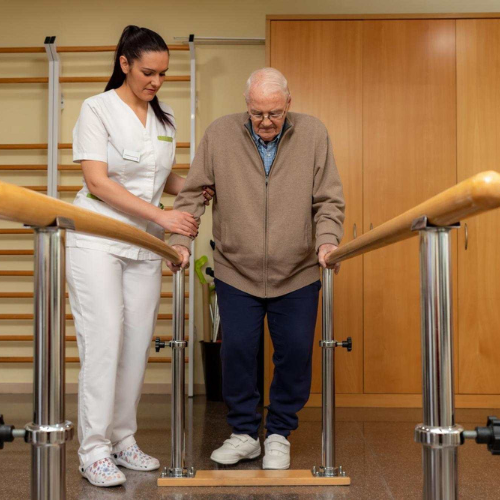
Accupation Therapy

.
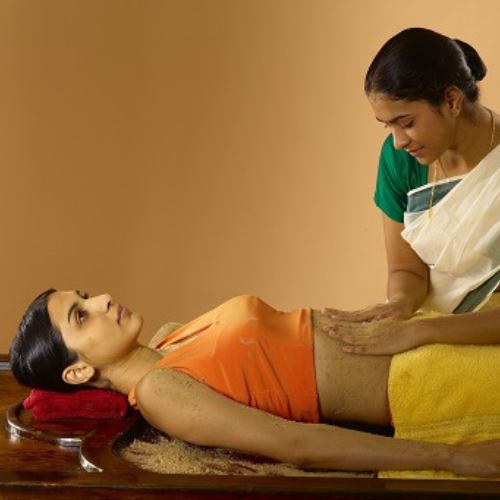
Hydrocolon Therapy

.

Face or Beauty Treatment Therapy

.
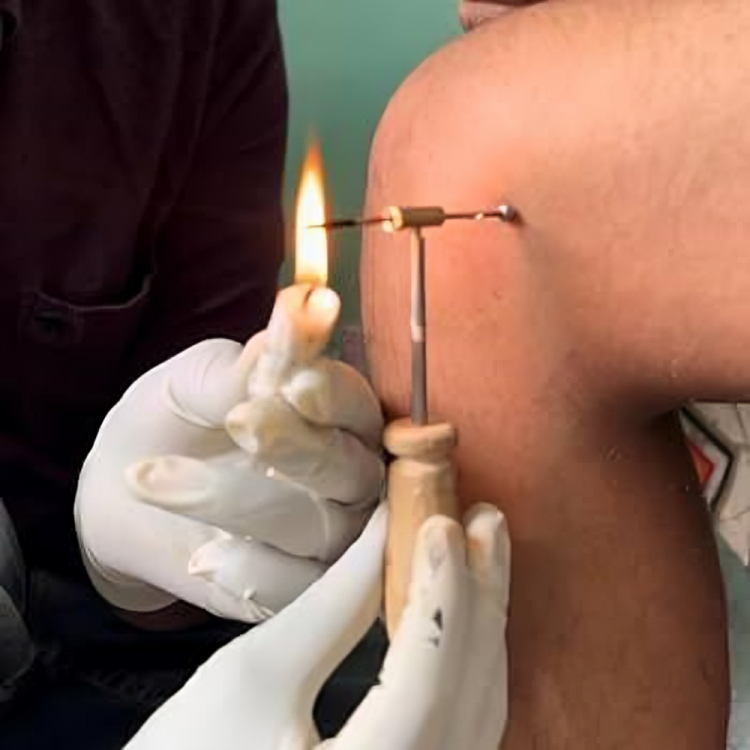
Knee Therapy

.
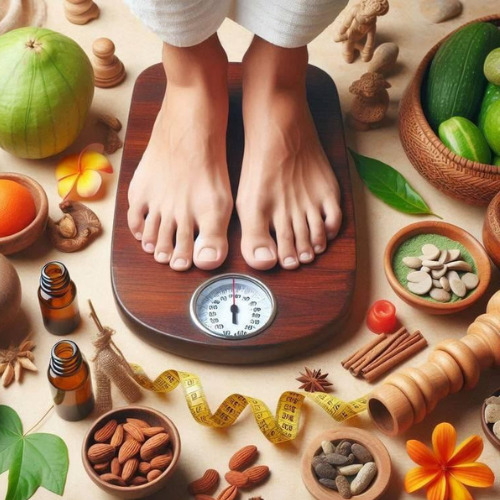
Weight Loss and gain Therapy

.

Hair Spa

.

Hospital Accommodation

Hospital accommodation – Twin Sharing basis
Cottages : Individual Family/Group
Bungalow accommodation – individual group/family

Chronic Disease We Treat

Arthritis

Arthritis is a general term referring to inflammation of one or more joints, resulting in pain, swelling, stiffness, and reduced joint mobility. There are various types of arthritis, with osteoarthritis and rheumatoid arthritis being the most common. Osteoarthritis involves the gradual breakdown of joint cartilage, while rheumatoid arthritis is an autoimmune disorder causing inflammation of the synovium (lining of the joints). Arthritis can affect people of all ages and may have different causes, including genetics, age, and underlying health conditions. Treatment aims to manage symptoms, improve joint function, and enhance overall quality of life.

Diabetes is a chronic condition where the body either doesn’t produce enough insulin or can’t effectively use the insulin it produces. This results in elevated blood sugar levels, leading to various health complications. There are two main types: Type 1 (autoimmune, insulin-dependent) and Type 2 (associated with insulin resistance or insufficient insulin production). Management involves lifestyle changes, medication, and sometimes insulin therapy to control blood sugar levels and prevent complications. Regular monitoring is crucial for effective diabetes care.
Cardiac disease, or cardiovascular disease, refers to a group of conditions that affect the heart and blood vessels. It includes conditions such as coronary artery disease, heart failure, and heart attack. These conditions often result from atherosclerosis, a buildup of fatty deposits in the arteries, leading to reduced blood flow to the heart. Risk factors include high blood pressure, high cholesterol, smoking, and diabetes. Symptoms may include chest pain, shortness of breath, and fatigue. Prevention involves a healthy lifestyle, including regular exercise, a balanced diet, and avoiding tobacco. Treatment may include medications, lifestyle changes, and, in some cases, surgical interventions. Managing risk factors is crucial in preventing and mitigating cardiac disease.
The thyroid is a gland in the neck that produces hormones regulating metabolism. Disorders include hypothyroidism (low hormone levels), causing fatigue and weight gain, and hyperthyroidism (excess hormone levels), leading to weight loss and rapid heart rate. Autoimmune conditions like Hashimoto’s (hypothyroidism) and Graves’ disease (hyperthyroidism) can affect the thyroid. Diagnosis involves blood tests, and treatment may include medication, radioactive iodine, or surgery, depending on the disorder. Regular monitoring is crucial for managing thyroid health.
Paralysis is the loss of muscle function in part or all of the body, typically caused by damage to the nervous system. This damage can result from conditions such as stroke, spinal cord injury, or neurological disorders. Paralysis may be temporary or permanent and can affect one side (hemiplegia), both sides (paraplegia or quadriplegia), or specific muscles. Treatment depends on the underlying cause and may include physical therapy, rehabilitation, and assistive devices to improve function and quality of life for individuals with paralysis.
Parkinson’s disease is a progressive neurological disorder that affects movement. It is characterized by the gradual degeneration of dopamine-producing cells in the brain. Key features include tremors, stiffness, slowness of movement, and impaired balance. The cause is not fully understood, and there is no cure, but treatment options aim to manage symptoms. Medications, physical therapy, and sometimes surgery are used to improve motor function and quality of life for individuals with Parkinson’s. Regular medical monitoring and support from healthcare professionals are essential for effective management.
Infertility
Infertility is a medical condition characterized by the inability to conceive after a year of regular, unprotected sexual intercourse. It can result from various factors, including issues with reproductive organs, hormonal imbalances, or underlying health conditions. Both men and women can contribute to infertility. Diagnostic tests help identify the cause, and treatment options may include medications, surgery, assisted reproductive technologies (such as in vitro fertilization), or lifestyle changes. Counseling and support play a crucial role in managing the emotional impact of infertility.

PCOD (Polycystic Ovary Disorder) and PCOS (Polycystic Ovary Syndrome) are hormonal disorders that affect women, often linked to irregular periods, hormonal imbalance, and metabolic issues.

1. PCOD

  • Characterized by small cysts on the ovaries.
  • Associated with irregular periods, high androgen levels, and insulin resistance.
  • Symptoms include irregular menstruation, acne, and excess hair growth.

2. PCOS

  • Encompasses broader hormonal and metabolic issues, including ovarian cysts.
  • Involves insulin resistance, increasing the risk of type 2 diabetes.
  • Symptoms include irregular periods, fertility issues, acne, and weight gain.

Management involves lifestyle changes, medications, and regular monitoring to address symptoms and improve overall health.

Spinal disorders encompass conditions like herniated discs, scoliosis, and spinal stenosis, affecting the backbone’s structure and function. These disorders may lead to pain, nerve compression, and reduced flexibility. Sciatica, resulting from sciatic nerve compression, and spinal fractures, often caused by trauma or osteoporosis, are also common issues. Treatment approaches include physical therapy, medications, lifestyle adjustments, and in some cases, surgical interventions, depending on the specific disorder and severity. Early diagnosis and targeted management are essential for optimal outcomes in spinal health.

Chronic skin conditions such as psoriasis and eczema (dermatitis) are marked by inflammation and recurring skin abnormalities.

1. Psoriasis

  • An autoimmune disorder that accelerates skin cell turnover, leading to red, scaly patches.
  • Often accompanied by itching, burning, and discomfort.
  • Treatment options include topical medications, phototherapy, and systemic drugs.

2. Eczema (Dermatitis)

  • An inflammatory condition that causes red, itchy, and inflamed skin.
  • The most common type is atopic dermatitis.
  • Management involves regular use of moisturizers, topical steroids, and avoidance of triggers.

Both conditions can greatly affect quality of life. Personalized treatment plans, guided by a dermatologist, are crucial for controlling symptoms, managing flare-ups, and maintaining long-term skin health.

Liver cirrhosis is a late stage of scarring of the liver caused by various liver diseases and conditions, such as chronic alcoholism or viral hepatitis. Over time, healthy liver tissue is replaced by scar tissue, impairing liver function. Symptoms may include fatigue, weakness, easy bruising, and swelling. Cirrhosis can lead to serious complications like liver failure. Management involves treating the underlying cause, lifestyle changes, and sometimes liver transplantation in severe cases. Early detection and intervention are crucial for slowing or preventing progression.
Kidney disorders encompass conditions like chronic kidney disease (CKD), kidney stones, infections, polycystic kidney disease, and acute kidney injury (AKI). CKD involves a gradual decline in kidney function, often due to underlying health issues. Kidney stones are hard deposits causing pain during passage through the urinary tract. Infections, such as pyelonephritis, can affect the kidneys, while polycystic kidney disease involves the formation of fluid-filled cysts. Acute kidney injury results from a sudden, temporary loss of kidney function, often linked to severe illness or injury. Management varies based on the specific disorder and may include medications, lifestyle changes, or, in severe cases, dialysis or transplantation. Regular monitoring is crucial for kidney health.
Natural methods for kidney stone removal often involve lifestyle adjustments and dietary changes. Adequate hydration is crucial, as increased water intake helps flush out minerals and substances that contribute to stone formation. Adopting a low-sodium, low-oxalate diet, and avoiding high-oxalate foods like certain nuts and spinach may reduce the risk of stone development. Some individuals believe in the potential benefits of consuming lemon juice, which contains citric acid that may help break down certain types of stones. Additionally, herbal remedies like chanca piedra are thought to have properties that could assist in dissolving kidney stones. It’s important to note that the effectiveness of these natural methods can vary, and consulting with a healthcare professional is essential to determine the most appropriate approach based on the specific characteristics of the kidney stone. In some cases, medical intervention may still be necessary for safe and complete removal.
0
    Your cart is emptyReturn to Shop
    Scroll to Top